Recreate a Healthy Breast with Help from Back Tissue
In cases of breast reconstruction where the skin of the chest has been damaged—such as in instances of trauma or over the course of radiation therapy—healthy skin and muscle can be used to replace the damaged tissue. The latissimus dorsi flap reconstruction is one of these techniques, which Vancouver’s Dr. Robyn Watts uses to rebuild the breast for her patients. This particular procedure uses tissue taken from a donor site on the patient’s back as a replacement for breast tissue that has been damaged.
Get in Touch!
Find out how latissimus dorsi flap reconstruction with Richmond and Vancouver’s Dr. Robyn Watts can help you achieve a restored look. Call 604-674-1997 or fill out our online contact form to schedule a consultation. These consultations require a referral from a physician.
Amanda Clune
I cannot say enough about my experience with Dr. Robyn Watts and her team. From my very first consultation to the final follow-ups, I felt completely supported and cared for every step of the way. I had both a breast augmentation and abdominoplasty, and the results have exceeded my expectations in every way. Dr. Watts is not only incredibly skilled, but also kind, patient, and attentive—she truly takes the time to listen and ensure you feel comfortable with every decision.
Annastasija
Dr. Watts and her team are incredible! The care that I received throughout the process was beyond my expectations. Everyone in this office takes great pride in their work to ensure their clients receive the best care possible and leave feeling more confident in their skin. Thank you to Brie, Nicole, and Dr. Watts for giving me that little extra confidence I needed!
Jennifer Snow
I can't recommend Dr. Watts highly enough. She is personable, and a skilled surgeon. My results exceeded my expectations. The office staff, nurse and Dr. Watts were accessible through every moment of my recovery and I am thrilled with my results.
What Is a Lat Flap?
The latissimus dorsi flap—or lat flap—is a portion of skin, fat, and muscle tissue taken from the middle back of the patient and used to replace those same tissues in the breast. During breast reconstruction, this flap remains connected to its original blood supply, allowing the tissue to better sustain and heal itself after it has been situated on the chest.
The latissimus muscle is a short distance from the breast, which means the flap doesn’t need to be tunneled as far from the donation site in order to reach the area under reconstruction.

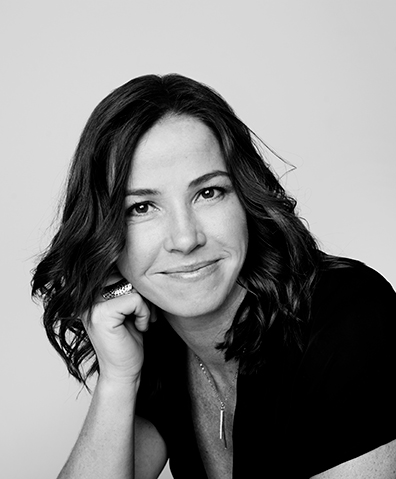
Dr. Robyn Watts
Plastic and Reconstructive Surgeon
Dr. Robyn Watts is a board-certified plastic surgeon specializing in breast reconstruction, cosmetic breast surgery, and body contouring. Trained in Canada and the U.S., she leads plastic surgery at Richmond Hospital, practices at Cambie Surgical Centre, teaches at UBC, and is known for meticulous technique, compassion, and natural results.
Which Patients Are Good Candidates for Latissimus Flap Reconstruction?
As with all flap reconstruction procedures, a lat flap is particularly useful in scenarios where skin on the chest wall has been damaged and needs to be replaced—something that an implant alone cannot solve.
One constraint of the latissimus dorsi flap is that the back does not offer as much excess tissue as other flap donation sites. The lat flap can sometimes be used alone in small- to medium-breasted patients, but an underlying tissue expander or breast implant may be suggested for those in need of more volume.
Whether or not the latissimus dorsi flap is recommended for a patient depends on many factors, including their medical history, lifestyle, and cosmetic goals. Patients should consult thoroughly with Dr. Robyn Watts and other physicians to ensure whether this procedure is right for them, or if they should consider alternatives such as a TRAM flap or direct-to-implant reconstruction.

What Steps Are Involved in a Latissimus Dorsi Flap Procedure?
After the patient is placed under general anesthesia, Dr. Robyn Watts will make the incisions necessary to isolate the latissimus dorsi tissue on the same side as the breast to be recreated.
The tissue, or flap, is then freed from the back while staying connected to its original blood vessels. Next, the flap is tunneled beneath the skin of the axilla—or armpit—until it is in place on the chest wall.
Once the flap is in position, Dr. Robyn Watts sews it superiorly into the patient’s mastectomy scar and inferiorly into the lower breast fold. The incisions on the back are sutured so that the resulting scar can be concealed along the bra line. The entire surgery should take approximately two to four hours from start to finish.
When Should Patients Expect to Recover from a Lat Flap Reconstruction?
After the surgery, patients will need to remain in the hospital for one night so they can be monitored for any complications. If no significant side effects arise, patients will then return home to continue their recovery.
Patients will likely experience bruising and swelling around the breast and tissue donation site, but these side effects will subside over time. In order to avoid discomfort, patients should refrain from any heavy lifting or vigorous motion on that side of the body while they recover.
After approximately four to eight weeks, patients can begin returning to their normal routines and activities. However, this timeline largely depends on their health prior to the operation and the extent of the surgery itself. Patients will receive personalized instructions for their recovery from Dr. Robyn Watts to support the safest and fastest recovery possible.
Schedule your latissimus dorsi flap reconstruction with Richmond’s Dr. Robyn Watts. To get started with a personalized consultation, patients throughout the Vancouver area and beyond can call us at 604-674-1997 or fill out our online contact form to schedule an appointment. These consultations require a referral from a physician.
Before & After Photo Gallery
See Amazing Transformations!
See real patient transformations that highlight the artistry and precision behind Dr. Watts’ surgical approach. Each before-and-after showcases natural, balanced results tailored to individual goals.
- Results vary by individual, and no outcome is guaranteed.

Patient Financing
YOUR RESULTS. OUR TERMS.
We’ve partnered with Beautifi to provide you with flexible monthly payment plans.